Seven mathematical systems you can see, steer, and replay.
Canvas 2D · WebGL2 · JavaScript · No libraries
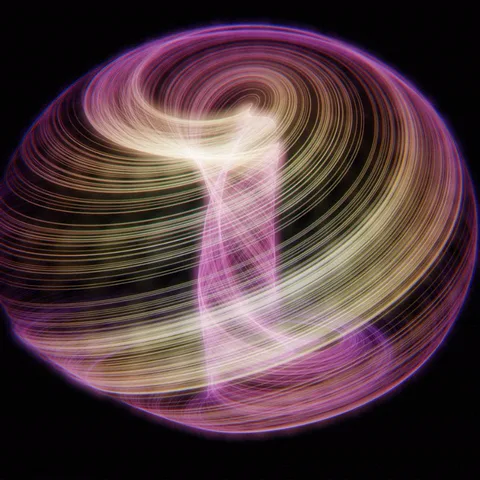
Ostensoria · image from Mateo’s published portfolio
Mateo’s work
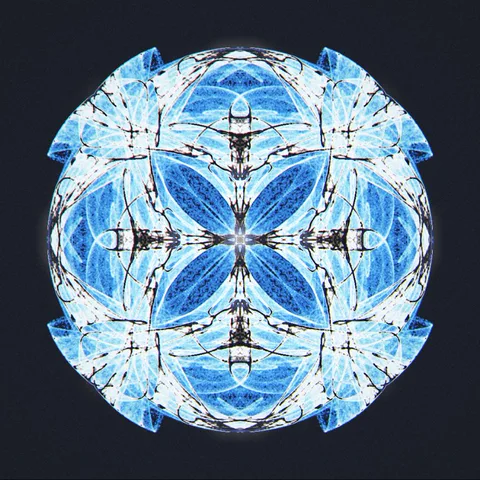
Procedural engines by Mateo, published under his own GitHub profile. Each work is a self-contained HTML file with live controls, running in Canvas 2D or WebGL2 without a rendering library.
The engineering
Gyre integrates a three-dimensional attractor using RK4 and uses color to carry depth. Interferentia renders contours of the difference between two fields. Seeded generation makes a plate reproducible, so changing one parameter can be compared with the same starting point.
A deliberate scope
Small, standalone works keep the mathematical rule and rendering code together. You can inspect a complete engine in one file, run it in a browser, and change its controls.
Give a piece of writing pacing, visuals, and sound.
JavaScript · Web Audio · Canvas · Cloudflare Workers
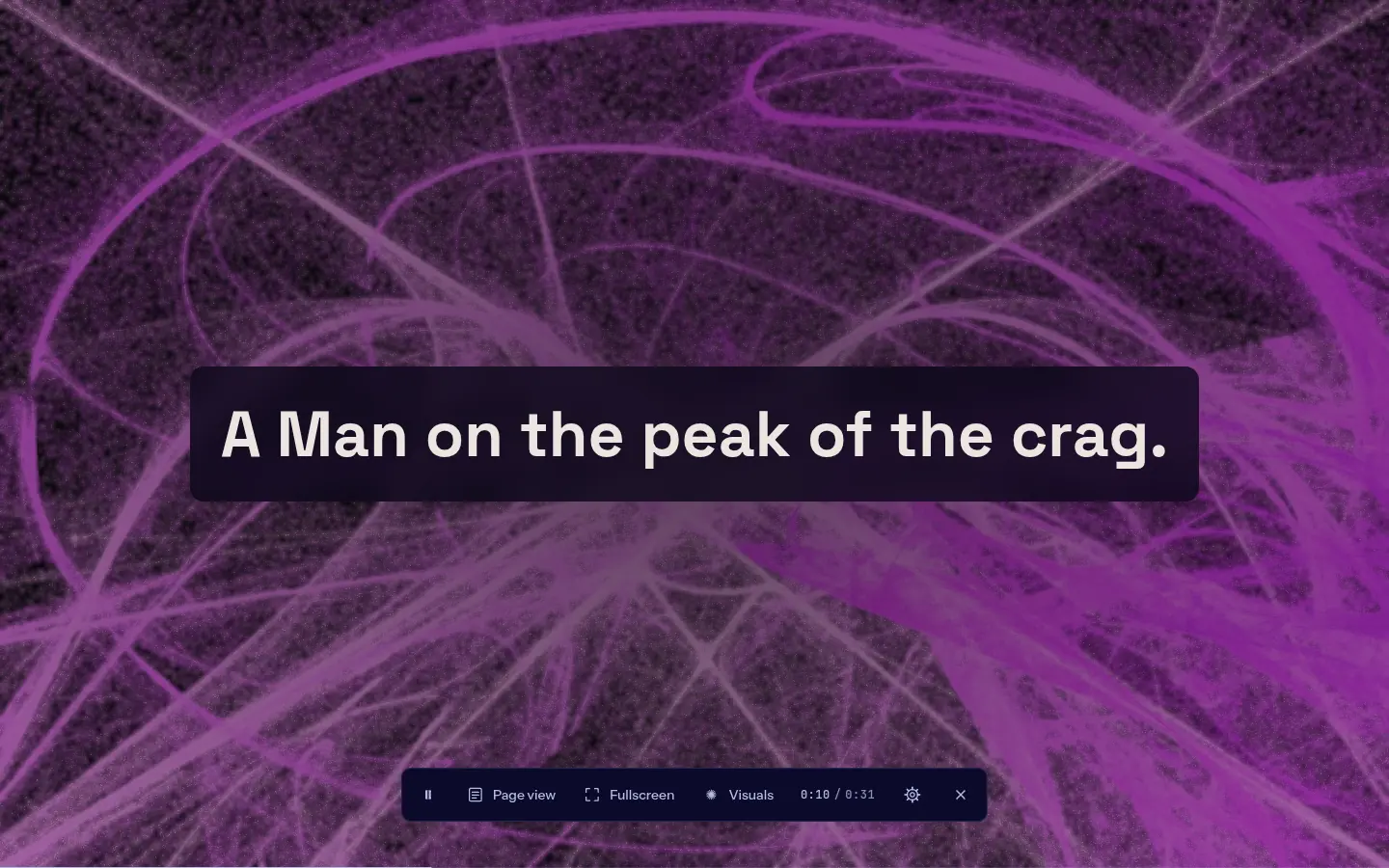
Real RISE interface, local build 998d725 · 5 October 2026
Team and role
RISE is a SyberLabs product featured in Mateo’s selected work. Mateo is the lab’s founder; Seth Carlson builds the engineering infrastructure behind RISE. The results below describe the shared product.
One reading, two views
A one-way pipeline compiles text into a timed session. The same session drives Stream and Page, allowing readers to change presentation without losing their place.
Keep the first load small
Content-addressed texts moved 15.4 MB out of the JavaScript bundle. The project records a roughly 59 KB Brotli first load, with a 64 KB budget enforced in CI.
Evidence and next questions
The public beta, recorded interface, architecture and tests are available to inspect. The published project record does not yet establish reader preference or improved comprehension; observing real readers is the next product question.
 SYBERLABS